
CHIPIN’ WOOD
Made to Be Used
Everyday care for handcrafted bowls, platters, garden trugs, and herb strippers.
Back to Workshop
By Rogene Sears | September 9, 2026
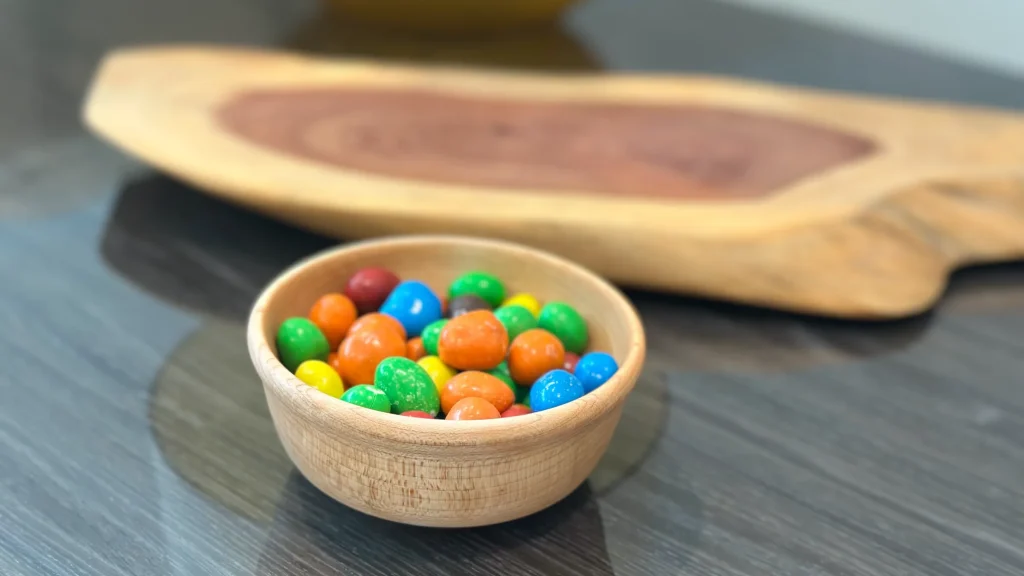
When I make a bowl or platter, I want the grain and shape to catch your attention. I want it to be a piece you enjoy displaying—and one you feel just as comfortable bringing to the table and using.
The same goes for a garden trug or an herb stripper. Each piece takes time and thought to make, but its purpose matters just as much as its appearance. Carrying vegetables in from the garden or preparing herbs for dinner is what these pieces are made for.
Caring for them doesn’t need to be complicated. A few habits will help protect the wood and keep the finish looking good.
The finishes I use
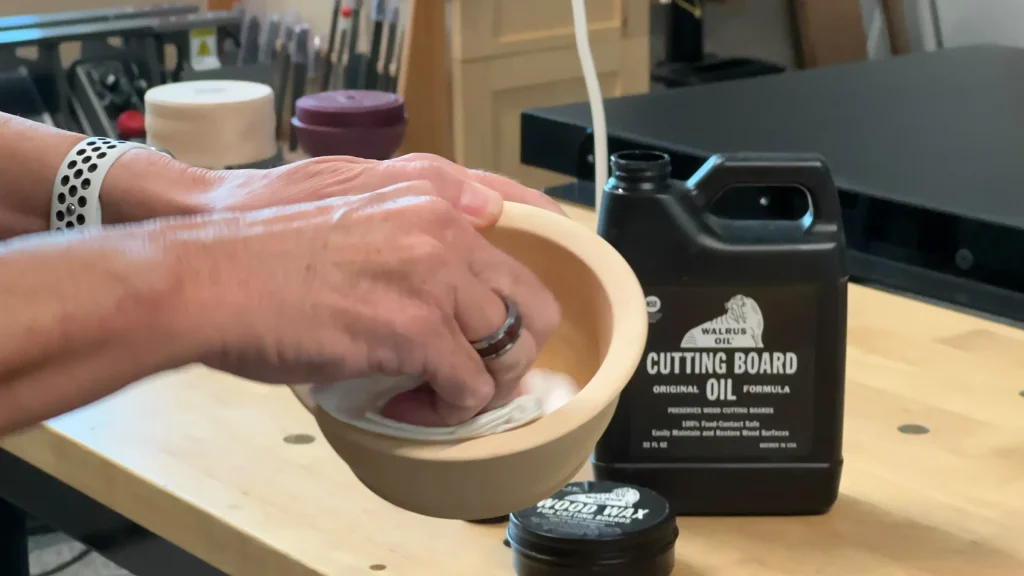
On these functional pieces, I use either food-grade mineral oil followed by a food-safe beeswax finish, or Walrus Oil Cutting Board Oil and Wood Wax.
I like how these finishes bring out the color and grain while keeping the feel of the wood. They can also be renewed at home as the surface begins to look dry.
Oil and wax offer some protection from moisture, but they don’t make a piece waterproof. How you wash and dry it still matters.
Cleaning and everyday care
For pieces used for display, dust regularly with a soft, dry cloth. If needed, wipe with a lightly dampened cloth and dry promptly.
Hand-wash food-use pieces gently with mild soap, lukewarm water, and a soft cloth or sponge.
Don’t leave the piece soaking in the sink. Towel-dry it promptly, then let it finish drying where air can circulate before putting it away. Keep wooden pieces out of the dishwasher and microwave, and away from ovens and direct heat.
For a garden trug, brush off loose soil and wipe it clean as needed. Let it dry and store it under cover instead of leaving it out in the weather. When cleaning an herb stripper, check the holes for bits of stem or leaf before drying it.
When the wood looks dry
Even a piece used only for display may need its oil-and-wax finish refreshed over time. You don’t need a strict maintenance calendar. Pay attention to the surface, whether the piece is used every day or sits on a shelf.
Start with clean, completely dry wood. Use food-grade mineral oil or Walrus Oil Cutting Board Oil, following the product’s application directions. Wipe away the excess, then apply a light coat of the appropriate food-safe wax and buff. With the Walrus Oil products, oil goes on first and wax follows.
If you’re unsure what to use on your particular piece, ask me. I’d rather help you choose the right product than have you guess.
A note about natural-edge bowls
A natural edge needs a gentler touch than a smooth, solid rim. Bark and thin areas can remain fragile even when reinforced.
I use thin CA adhesive to help stabilize those areas. Lift the bowl from underneath rather than by its rim, and avoid scrubbing or picking at the bark. Keep food away from adhesive-treated areas and follow the intended-use guidance supplied with that bowl.
The finish is only one consideration when deciding how to use a piece. Its shape, natural openings, and construction matter, too.
Let it become familiar
A piece that gets used will show some wear. That doesn’t mean you’ve spoiled it. I want you to enjoy handling it and reaching for it.
A new crack, loose bark, or a rough spot is different from ordinary wear. If you notice a change like that, set the piece aside and contact me before continuing food use.
You don’t have to work out every care question on your own. If I made the piece, I’m happy to help you look after it.
Questions about your caring for your piece? Contact me